

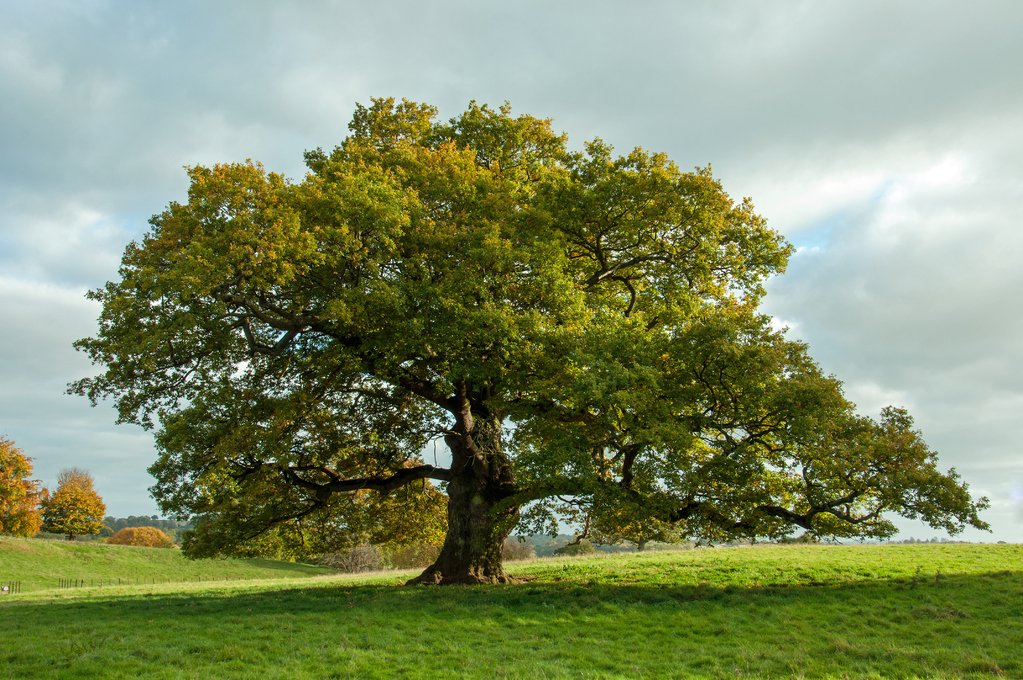
Arborists study tree growth patterns to understand how trees respond to environmental conditions, helping them determine the best maintenance practices. These professionals evaluate factors such as soil composition and water availability to determine how they influence the size and shape of trees. Read on to understand tree growth patterns and how they help create effective tree maintenance routines.
How Trees Grow
Over its lifetime, a tree grows in two main ways: upward, known as vertical growth, and outward, known as radial growth. The trunk and branches increase in thickness during radial growth, while the height extends as new branches are produced during vertical growth. Both of these processes work together as the tree matures to support its overall structure and keep it balanced.
Factors Influencing Tree Growth
How a tree grows and adapts to its environment depends on several external factors other than regular watering. Tree doctors assess various conditions to determine appropriate care strategies for specific plants. Some of the factors that influence tree growth include the following:
- Space availability for root and canopy expansion
- Soil quality and nutrient availability
- Sunlight exposure throughout the day
- Water supply and drainage conditions
Arborists monitor these conditions to evaluate tree health and create tailored plans. A slight change in any of the factors can influence the rate and direction of a tree’s growth. Sunlight access supports photosynthesis, while soil nutrients contribute to the plant’s overall development. Farmers and homeowners should set up regular maintenance schedules to help prevent and address issues quickly.
Seasonal Growth Cycles
Seasonal cycles affect when trees grow and how it happens. Most trees experience active growth during the warmer months, producing new branches and roots. Slower growth often occurs during the colder months when trees conserve energy.
Tree doctors design their maintenance practices around these seasonal cycles. Timing activities such as introducing fertilizers with growth cycles helps them work with the tree’s natural processes. Trees experience stable development, which facilitates long-term growth and extends their lifespan.
Structural Development
Trees tend to have a more defined structure as they mature, due to branch development and trunk expansion. The trunk thickens to support the weight of the canopy, while the branches extend to capture more sunlight. This structural development occurs slowly over a long period, maintaining the tree’s balance as it grows.
When accessing the tree structure, arborists evaluate how the branches are spaced and the growth direction. Depending on these considerations, they may recommend pruning to help the tree gain more stability. The tree will develop a more balanced canopy that supports long-term structural integrity.
Most tree maintenance practices aim to manage structural development. Professionals conduct inspections and other services to improve plant health by supporting healthy growth patterns. They may use technology-assisted tools such as digital imaging, injections, repellants, growth regulators, and laboratory testing. While these practices will differ depending on the tree’s specific needs, they all help achieve similar goals.
Work With Arborists
Understanding how trees grow is a step toward making informed decisions about tree maintenance and care. Environmental factors, seasonal cycles, and structural development will influence growth patterns over time. Working with arborists helps formulate maintenance practices that align with natural tree growth patterns, facilitating long-term tree health.
